Translate

Tupac Amaru Shakur, " I'm Loosing It...We MUST Unite!"

Friday, May 15, 2020

Black voters must manage their Biden running mate expectations

Aside from the coronavirus pandemic, there are two other big Black political conversations in the socially-distanced room: Michelle Obama‘s Becoming Netflix documentary and whether Joe Biden will pick a Black woman running mate.

READ MORE: Joe Biden releases ‘Lift Every Voice’ plan for African Americans

We don’t know. Impassioned dialogue will intensify, especially as we learn who sits on Biden’s vetting committee for the slot. Many eyes will focus on the lone Black woman on that panel, Democratic Rep. Lisa Blount Rochester, which isn’t the most surprising pick as Biden achieves both home state recognition and a subtle sister nod in one press release.

Yes: It goes without saying that we all want a Black woman running mate. Top preference would be a Black woman president since sisters know how to save the world and all – they certainly tried in 2016. But, since we’re not getting that anytime soon, we’ll settle for a quasi-Obama years remake with a sister being more than first lady. 

Will we get that? As much as many Black voters want it, as much as many claim to taste it, Biden was very specific the moment he committed: “I will pick a woman to be my vice president,” along with “I’ll appoint the first Black woman to the Court. It’s required that they have representation now — it’s long overdue.” Read between the lines.
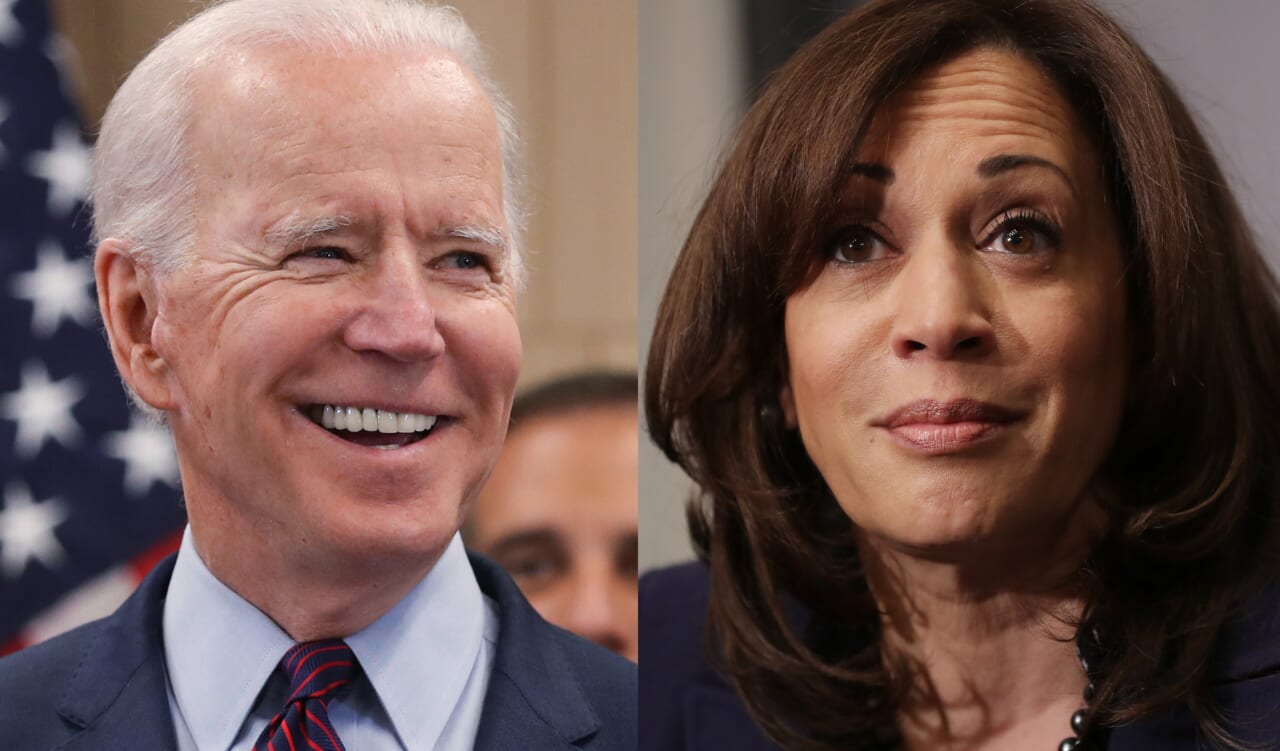
Photo: Getty Images

Even House Majority Whip Jim Clyburn (D-SC), the person many believe singlehandedly engineered Biden’s nomination, had to reset his own expectations. He went from “African American women need to be rewarded for the[ir] loyalty” during a March 11 NPR interview to saying now, this week, a Black woman running mate “is not a must.” 

Meanwhile, popular Black discourse is pushing hard for a Black woman pick, with former Georgia gubernatorial candidate Stacey Abrams pushing the hardest. Others, such as Sen. Kamala Harris, who’s name gained traction after her failed presidential bid, are on the top list of Black women veep hopefuls. We also hear names such as Rep. Val Demings (D-FL) and even Mayor Keisha Lance Bottoms (D-ATL), being floated.

Former U.N. Ambassador and Obama National Security Advisor Susan Rice (who openly flirted with a Senate bid against Republican Susan Collins at one point) is also another trusted name, as well as current Congressional Black Caucus Chair Karen Bass (D-CA). 

In a recent YouGov poll on potential Biden running mates, Sen. Elizabeth Warren (D-MA) tops the list of six at 77 percent total favorable, but the two Black women – Abrams and Harris – are just behind her. Abrams’ “very favorable” selection at 32 percent is a pinch above Harris at 30. However, Harris’ overall “very and somewhat favorable” is at 65 percent – 10 points ahead of Abrams and second to Warren. 

Abrams’ primary weakness: name recognition. Nearly half of all voters don’t know who she is, and 45 percent of Black voters don’t know her either (compared to 30 percent of Black voters who don’t know Harris). That explains her decision to pursue a rather robust and very public campaign to press Biden.
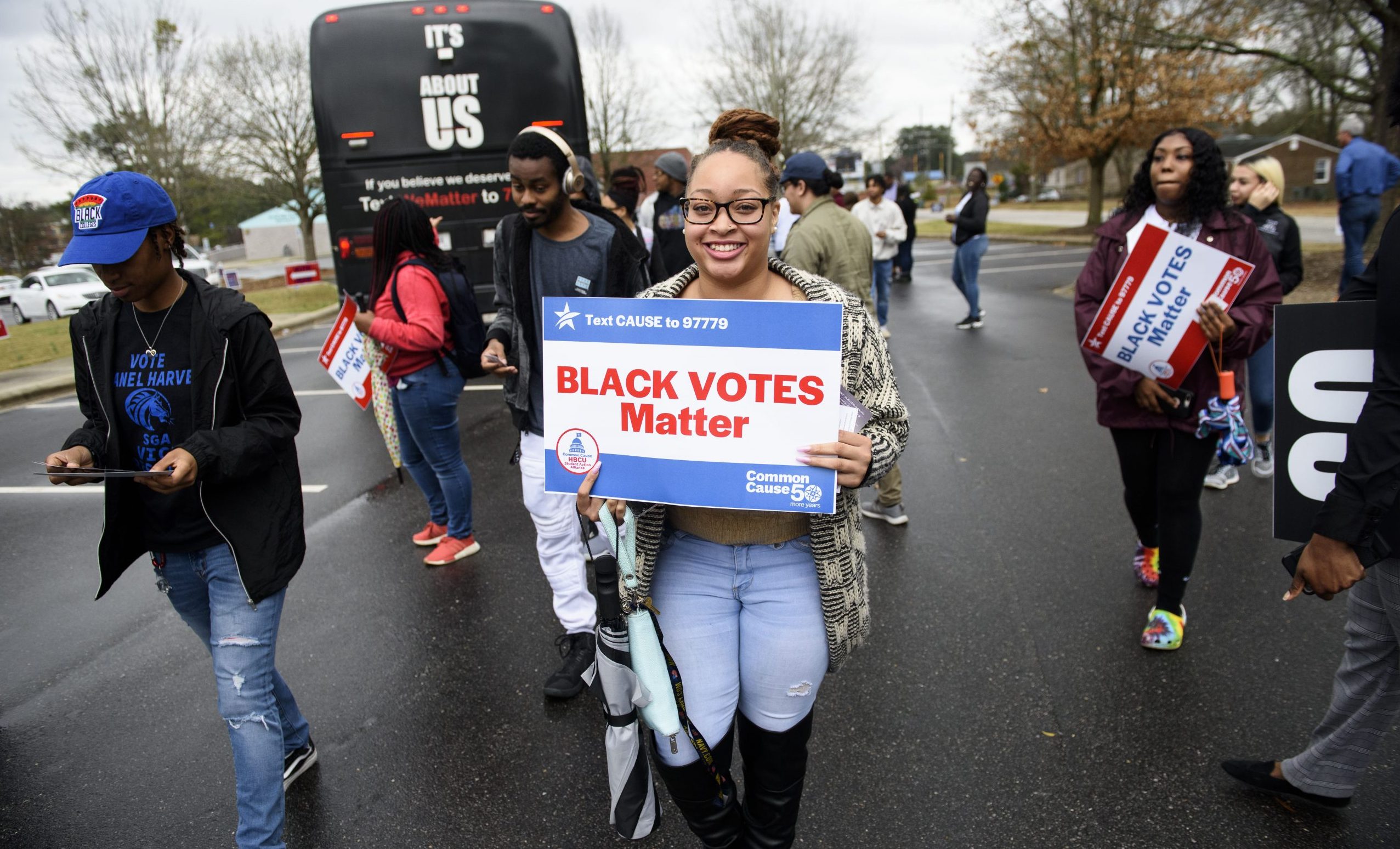
Fayetteville State University students get off a Black Votes Matter bus at Smith Recreation Center on March 3, 2020 in Fayetteville, North Carolina. (Photo by Melissa Sue Gerrits/Getty Images)

Is it Warren, Harris or Abrams?  Each pick is fraught with some political peril. We can seemingly cross off Warren. While many Black folks and progressives might be perfectly fine with a Warren pick, folks forget that she couldn’t even win her home state, Massachusetts, during the Democratic primary. In fact, she came in third place. And should Biden win and she leaves the Senate, Democrats find themselves with yet another lost seat as Massachusetts’ Republican Governor Charlie Baker will do what Republicans do: appoint another Republican to serve out the remainder of her term.

Harris isn’t all that much of a sure shot, either. Black voters love her now, but many sure couldn’t stand her back then when she was running for president. If it wasn’t Black men griping over her White husband, it was the constant, post-Breakfast Club hip hop and weed jokes, or ADOS folks saying she wasn’t really “Black” because of her Indo-Caribbean heritage, or it was the final, crippling blow “Kamala is a Cop” meme.

It was all silly, but it pushed her out of 2020. Will she really energize Black voter turnout?

Abrams might seem like the most viable and least politically risky of the three. The fact that she’s never managed a large agency or organization is not that much of an issue despite observer warnings – she did serve a six-year stint as Georgia House minority leader, which is nothing to sneeze at. 

Yet, unlike Warren and Harris, the key question is: can she win big elections? True, current Gov. Brian Kemp (R-GA) did fox-in-a-hen-house his way into that seat by purging over half-a-million Georgia voters (considering she lost by about 55,000 votes). But, in a race like that, as national and historic as it was, did Abrams turnout every eligible Black voter she needed to overwhelm the voter purging, during a cycle where there were 6.9 million registered voters in Georgia alone – yet less than 4 million showed up? And Biden’s camp will ask: why isn’t she running for Senate instead?

READ MORE: Joe Biden announces when he expects to name VP choice

Ultimately, should Biden decide not to pick a Black woman, that’s not reason for Black voters to tap out of the most consequential presidential (and Senate) election ever. The nation is like a burning car on the edge of a cliff, so now’s not the time to get stuck in our feelings on this. He did say he’d nominate a Black woman for the Supreme Court, and that’s actually much more powerful and lasting than either a Black women as veep or president – it’s a lifetime appointment. 

There’s a good, solid list of contenders for it, too. The Black electorate must play it cool. Mobilize the vote, put energy into ensuring agenda demands are fully represented and, once we win this thing, get that sister in the Supreme Court who can finally hold it down against the likes of Clarence Thomas.

Better to take our chances with the guy who simply decided against a Black woman running mate versus a second term of the current president, who is systematically trying to wipe Black folks out with a pandemic and the dismantling of the Affordable Care Act. In the immortal words of Black Sheep, “the choice is yours.” 
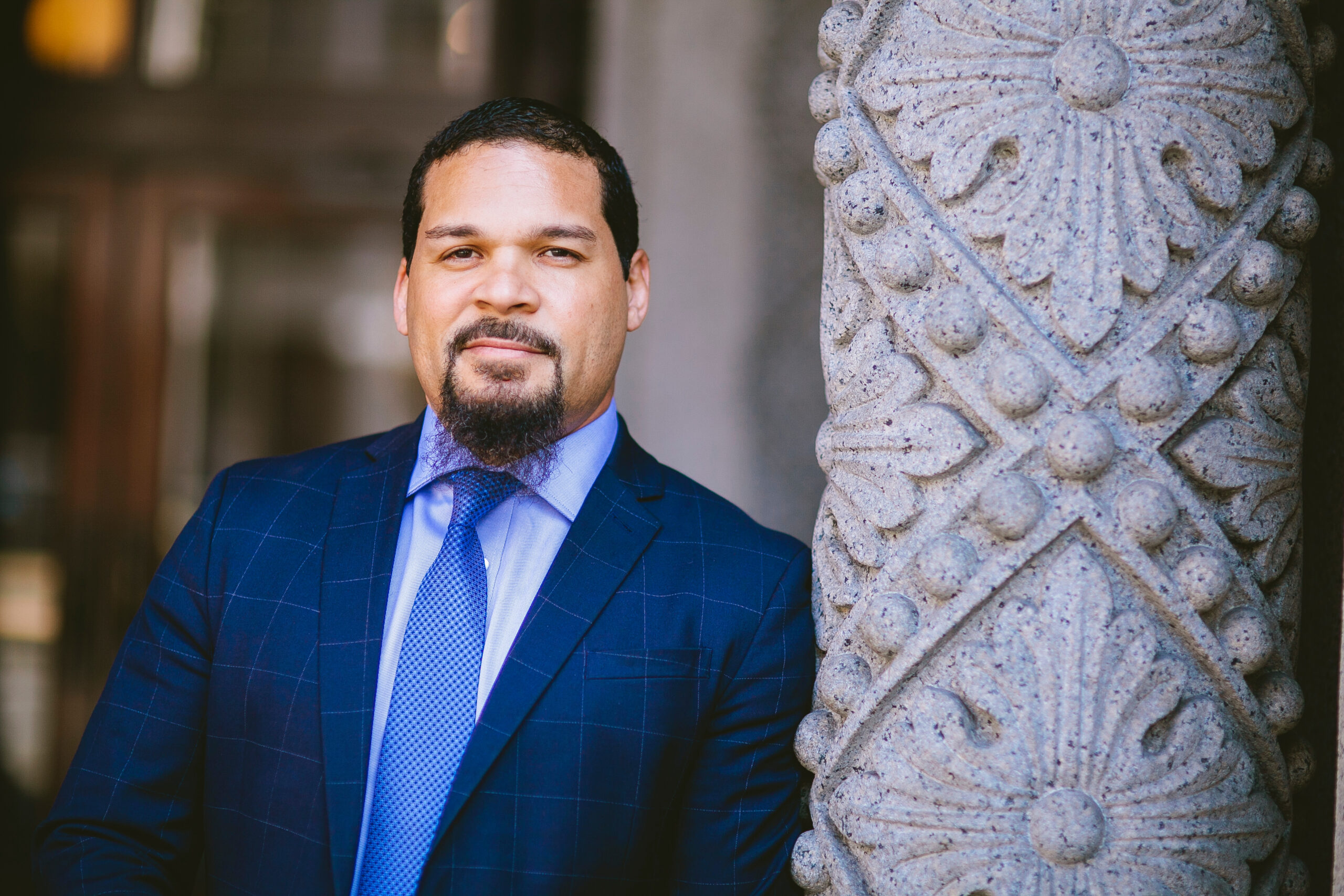

Charles Ellison is a veteran strategist, Host/Executive Producer of “Reality Check” on WURD radio (Philadelphia), Publisher of theBEnote.com and Contributing Editor to the Philadelphia Citizen. He can be engaged on Twitter @ellisonreport.

The post Black voters must manage their Biden running mate expectations appeared first on TheGrio.


from TheGrio https://ift.tt/2yZOxfs

JPMorgan Chase Uses Real-Time Data to Explore Financial Impact of Coronavirus

JPMorgan Chase financial data coronavirus

JPMorgan Chase released the first in a series of studies that use real-time data to investigate the financial impacts of the coronavirus pandemic.

The first JPMorgan Chase study focuses on the initial household spending response to the coronavirus pandemic. The study used consumer credit card transactions from March 1 – April 11, 2020, to examine the changes in household spending and how it varies by household income and industry of employment.

The first finding the study unearthed was the average household credit card spending amount has fallen by 40% by the end of March when compared to last year. According to the study, spending was stable through the beginning of March, but the coronavirus pandemic hit the job market and as Americans began losing jobs, spending hit a standstill.

The study also found spending on essential products increased by 20% before falling to pre-coronavirus levels. At the same time, spending on non-essentials fell by 50% and account for nearly all of the total spending decline.

The drop in non-essential products can be attributed to states’ non-essential businesses including restaurants, bars, movie theaters, and gyms being forced to close by state and local governments. Additionally, stay-at-home orders prohibited the ability to travel and citizens may have curtailed spending in order to save money or in response to an income loss.

“This is the first time we have an integrated view into how COVID-19 and interventions like stay-at-home orders are impacting families’ spending across income levels,” Diana Farrell, president and CEO, JPMorgan Chase Institute said in a statement. “Across the income spectrum, we see that the large cut in consumer spending through early April was driven primarily by the pandemic and stay-at-home orders and, so far, less so by job loss. While surprising, we expect this may change over time as layoffs, furloughs and unemployment insurance further impact families’ bank accounts.”

JPMorgan Chase also found spending has dropped significantly for households across all income levels with higher-income households accounting for slightly larger drops in spending. The top income earners have reduced spending by about 46%, or $400, by the second week of April while the bottom income earners reduced spending by 38%, or $150.

The difference in the spending drop can be attributed to higher-income earners having more money to spend on non-essential items. Lower-income earners typically have less money to spend on non-essentials as the majority of money earned goes toward rent and food. That theory is backed up by data showing job losses were four times higher for the lowest-income earners than for the highest-income earners.

A study by JPMorgan Chase in April showed African American and Hispanic families are struggling the most due to the economic ramifications of the pandemic.

It was also reported in March that low-wage workers have a higher rate of being infected. Many low-wage workers are immigrants or minorities that cannot work from home and are forced to interact with strangers.


from Black Enterprise https://ift.tt/2AwRCUJ

How Not to Quarantine: NFL Cornerbacks DeAndre Baker, Quinton Dunbar Accused of Robbing Partygoers at Gunpoint

Stay-at-home orders have made a vast majority of American citizens prisoners in their own homes, yet cornerbacks DeAndre Baker of the New York Giants and Quinton Dunbar of the Seattle Seahawks have still found a way to get caught up in some bullshit.

Read more...


from The Root https://ift.tt/2Z4zlbo

Indianapolis cop suspended over Sean Reed ‘closed casket’ remark

The officer who made the crude remark following the police shooting of 21-year-old Sean Reed has been suspended.

According to the Indianapolis Star, Indianapolis Metropolitan Police chief, Randal Taylor told the press that the officer has been suspended and reassigned. The chief did not say how long the suspension is nor did he disclose the officer’s name out of concerns for his safety.

READ MORE: Detective in Sean Reed shooting joked ‘it’s going to be a closed casket’

The unnamed detective remarked, “I think it’s going to be a closed casket, homie,” after Reed was shot by another officer after a car chase. 

The comment was captured on Facebook Live as Reed was streaming from his phone during the chase and the shooting. The video was watched by more than 4,000 people. 

Reed was killed on May 6 following a high-speed chase. IMPD alleges that he fired at officers who returned fire killing him. His family maintains that he was unarmed. The police chief has vowed that the investigation will be transparent. 

Sean Reed theGrio.com
Sean Reed (Twitter)

The shooting was the first of three officer-involved killings in Indianapolis in 24 hours. 19-year-old McHale Rose was also shot by police, and 23-year-old Ashlynn Lisby was struck by an officer as she walked up an expressway off-ramp. 

The three deaths sparked demonstrations in Indianapolis. Protesters have demanded transparency and reforms for IMPD. There have also been dozens of threats against IMPD officers which are being investigated. 

Indianapolis Mayor Joe Hogsett and Taylor announced this week that the department will create a new use-of-force policy and use-of-force review board that will include civilian participation.

READ MORE: Indianapolis police fatally shoot Sean Reed, 21, during Facebook Live

They also announced that IMPD will deploy a body camera program this summer.

In a video to TMZ, Indianapolis native Mike Epps said that “cops gotta be punished,” he said that many police are not “culturally connected” to the communities that they serve. Epps also said that young black men “have to stop giving (police) the opportunity to kill us.” 

The post Indianapolis cop suspended over Sean Reed ‘closed casket’ remark appeared first on TheGrio.


from TheGrio https://ift.tt/2WzZGg4

JPMorgan Chase Uses Real-Time Data to Explore Financial Impact of Coronavirus

JPMorgan Chase financial data coronavirus

JPMorgan Chase released the first in a series of studies that use real-time data to investigate the financial impacts of the coronavirus pandemic.

The first JPMorgan Chase study focuses on the initial household spending response to the coronavirus pandemic. The study used consumer credit card transactions from March 1 – April 11, 2020, to examine the changes in household spending and how it varies by household income and industry of employment.

The first finding the study unearthed was the average household credit card spending amount has fallen by 40% by the end of March when compared to last year. According to the study, spending was stable through the beginning of March, but the coronavirus pandemic hit the job market and as Americans began losing jobs, spending hit a standstill.

The study also found spending on essential products increased by 20% before falling to pre-coronavirus levels. At the same time, spending on non-essentials fell by 50% and account for nearly all of the total spending decline.

The drop in non-essential products can be attributed to states’ non-essential businesses including restaurants, bars, movie theaters, and gyms being forced to close by state and local governments. Additionally, stay-at-home orders prohibited the ability to travel and citizens may have curtailed spending in order to save money or in response to an income loss.

“This is the first time we have an integrated view into how COVID-19 and interventions like stay-at-home orders are impacting families’ spending across income levels,” Diana Farrell, president and CEO, JPMorgan Chase Institute said in a statement. “Across the income spectrum, we see that the large cut in consumer spending through early April was driven primarily by the pandemic and stay-at-home orders and, so far, less so by job loss. While surprising, we expect this may change over time as layoffs, furloughs and unemployment insurance further impact families’ bank accounts.”

JPMorgan Chase also found spending has dropped significantly for households across all income levels with higher-income households accounting for slightly larger drops in spending. The top income earners have reduced spending by about 46%, or $400, by the second week of April while the bottom income earners reduced spending by 38%, or $150.

The difference in the spending drop can be attributed to higher-income earners having more money to spend on non-essential items. Lower-income earners typically have less money to spend on non-essentials as the majority of money earned goes toward rent and food. That theory is backed up by data showing job losses were four times higher for the lowest-income earners than for the highest-income earners.

A study by JPMorgan Chase in April showed African American and Hispanic families are struggling the most due to the economic ramifications of the pandemic.

It was also reported in March that low-wage workers have a higher rate of being infected. Many low-wage workers are immigrants or minorities that cannot work from home and are forced to interact with strangers.


from Black Enterprise https://ift.tt/2AwRCUJ

Black Faith

  • Who are you? - Ever since I saw the first preview of the movie, Overcomer, I wanted to see it. I was ready. Pumped. The release month was etched in my mind. When the time...
    6 years ago

Black Business

Black Fitness

Black Fashion

Black Travel

Black Notes

Interesting Black Links

Pride & Prejudice: Exploring Black LGBTQ+ Histories and Cultures

  In the rich tapestry of history, the threads of Black LGBTQ+ narratives have often been overlooked. This journey into their stories is an ...