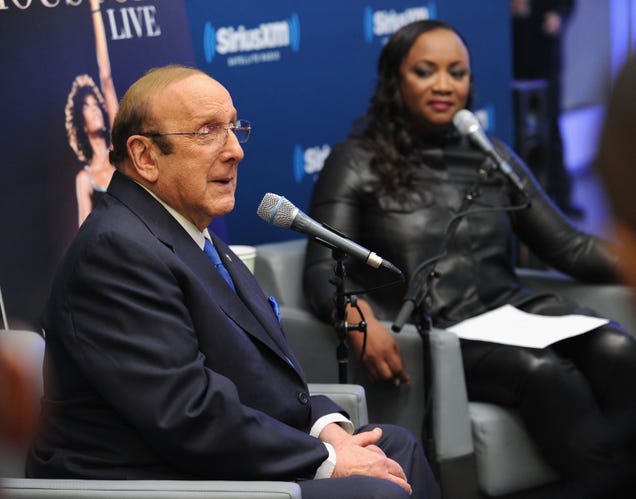
Clive Davis plans on getting the last word when it comes to the legacy of Whitney Houston.
from The Root https://ift.tt/2tJsaIJ

Clive Davis plans on getting the last word when it comes to the legacy of Whitney Houston.
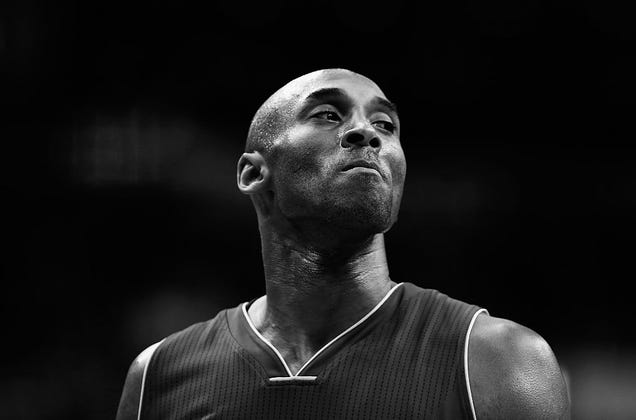
Los Angeles Lakers great and five-time NBA champion Kobe Bryant was among nine killed in a deadly helicopter crash in California on Sunday. The smooth shooting guard and perennial NBA All-Star who was one of the league’s most prolific scorers was with his 13-year-old daughter, Gianna, when the plane crashed near…

Many have wondered if artists get paid for performing at the Grammys or if they take home extra cash after winning an award. Black Enterprise did a little digging to find the answers.
Turns out that the Beyonces and Rihannas of the world who cash in millions for their world tours don’t get paid a cent when they grace the esteemed ceremony. They don’t get a check for winning either; but we’re sure those golden trophies could auction off for a hefty dollar amount should they ever need the funds.
The live event is far from a loss though. Forbes reports that performers and producers see a “‘Grammy Bounce’ of at least 55% in concert ticket sales and producer fees during the year following a Grammy win.” David Banner told the source that his producer fee jumped from $50,000 to $100,000 after his work on Lil Wayne’s single “Lollipop.”
Co-producer Jim Jonsin, who also worked with Beyonce, told DailyFinance.com that the rewards were “life-changing.” “If I really wanted to, I could charge a good 20% to 30% more. I didn’t raise my prices, though,” he said of his Grammy win. Before winning a Grammy, producers on average charge $30,000 to $50,000 per track. If you’re fortunate enough to snag an award, though, Jonsin says that the starting figure is in the $75,000 area and super-producers like Timbaland and Pharrell can demand twice that.
Thanks to the high-profile night, stars benefit in mainstream visibility and in their pockets too. After winning his first Grammy, “Bruno Mars’ average nightly gross swelled from $130,000 to $202,000 (+55%).” Esperanza Spalding went from $20,000 to $32,000 (+60%) and Taylor Swift jumped from $125,000 to $600,000 (+380%).
And because it would be so tasteless for Hollywood to send its multi-millionaire guests home empty handed, celebrities leave the occasion with a gift bag worth more than some people’s salaries. As The Toronto Sun reports, “Gifts include Tiffany cat collars, Gibson guitars, trips to deserted islands, cashmere sweaters, teeth whitening products, jewelry, sunglasses and designer leather bags.” The very generous goodies in 2010 reportedly came to about $50,000 in value.
So, no, the consensus is that music’s superstars don’t walk away with a physical check in tow. The association to the Grammys, however, does fatten their wallets long after the special airs.
In Case You Missed It:
-Editor’s Note: This article has been updated since its original publish date of January 29, 2018.
Black Enterprise Contributors Network
Many have wondered if artists get paid for performing at the Grammys or if they take home extra cash after winning an award. Black Enterprise did a little digging to find the answers.
Turns out that the Beyonces and Rihannas of the world who cash in millions for their world tours don’t get paid a cent when they grace the esteemed ceremony. They don’t get a check for winning either; but we’re sure those golden trophies could auction off for a hefty dollar amount should they ever need the funds.
The live event is far from a loss though. Forbes reports that performers and producers see a “‘Grammy Bounce’ of at least 55% in concert ticket sales and producer fees during the year following a Grammy win.” David Banner told the source that his producer fee jumped from $50,000 to $100,000 after his work on Lil Wayne’s single “Lollipop.”
Co-producer Jim Jonsin, who also worked with Beyonce, told DailyFinance.com that the rewards were “life-changing.” “If I really wanted to, I could charge a good 20% to 30% more. I didn’t raise my prices, though,” he said of his Grammy win. Before winning a Grammy, producers on average charge $30,000 to $50,000 per track. If you’re fortunate enough to snag an award, though, Jonsin says that the starting figure is in the $75,000 area and super-producers like Timbaland and Pharrell can demand twice that.
Thanks to the high-profile night, stars benefit in mainstream visibility and in their pockets too. After winning his first Grammy, “Bruno Mars’ average nightly gross swelled from $130,000 to $202,000 (+55%).” Esperanza Spalding went from $20,000 to $32,000 (+60%) and Taylor Swift jumped from $125,000 to $600,000 (+380%).
And because it would be so tasteless for Hollywood to send its multi-millionaire guests home empty handed, celebrities leave the occasion with a gift bag worth more than some people’s salaries. As The Toronto Sun reports, “Gifts include Tiffany cat collars, Gibson guitars, trips to deserted islands, cashmere sweaters, teeth whitening products, jewelry, sunglasses and designer leather bags.” The very generous goodies in 2010 reportedly came to about $50,000 in value.
So, no, the consensus is that music’s superstars don’t walk away with a physical check in tow. The association to the Grammys, however, does fatten their wallets long after the special airs.
In Case You Missed It:
-Editor’s Note: This article has been updated since its original publish date of January 29, 2018.
Black Enterprise Contributors Network

The late Kobe Bryant, 41, didn’t just excel on the basketball court, he also achieved major successes in business. An investment from six years ago proved to be a huge windfall for the late NBA star Kobe Bryant. In 2014, Bryant bought a 10% share of sports drink BodyArmor. Coca-Cola just purchased a minority investment in BodyArmor.
Bryant’s initial investment of $6 million turned into $200 million with the soft drink giant’s investment.
In contrast to the many cases of former professional athletes going broke in retirement, today’s crop of African American athletes is increasingly business-savvy as both entrepreneurs and investors.
In 2016, Bryant launched a $100 million venture capital fund with entrepreneur and investor Jeff Stibel. The funding was reserved for technology, media, and data startups.
Establishing the VC fund was a real move into the financial world for Bryant. Stibel said the partnership was not about having Bryant act as a famous frontman or endorser for companies that are funded.
“The most important thing I enjoy now is helping others be successful. I enjoy doing that much much more, that’s something that lasts forever, and hope they do that for the next generation,” said Bryant at the time.
Black Enterprise contributor Jared Brown, who helped coordinate a $25 million initiative at the United Negro College Fund (UNCF), said about Bryant’s fund, “Bryant is uniquely positioned to change systemic perceptions and transform how people of color navigate in the venture capitalist community. Considering that 87% of venture capitalists are white and only 4% identifies as African American and Latino, his willingness to invest in black-owned firms could propel other venture capitalists to follow suit.”
Other black athletes and celebrities have similarly stepped into the venture capital space. Recently, life insurance startup, Ethos announced an $11.5M financing round led by Sequoia Capital, to make obtaining life insurance accessible and simple for everyone. Other investors in the round included a very star-studded cast. Among the list are Stanford University; Arrive, a subsidiary of Roc Nation; Robert Downey Jr.’s Downey Ventures; Kevin Durant’s Durant Co.; Will Smith’s Smith Family Circle; and a credit facility from Silicon Valley Bank.
—Sequoia Blodgett contributed to this report.
This story was updated and originally posted in August 2018.


