Translate

Tupac Amaru Shakur — “I'm Losing It… We MUST Unite!”

Where To Start

Start Here Start at 1619. Move forward.

The Arc is the spine of this project: 40 essays, one chronological argument, five analytical lenses.

This site should read like a structured archive, not a loose category list. The Arc is the entry point; the lenses help you move through it with intention. Empty sections stay hidden until they are live.

Monday, April 13, 2020

Trump retweets post calling for Dr. Anthony Fauci to be fired

President Donald Trump’s frustration with Dr. Anthony Fauci seemed to reach a boiling point Sunday night when the president, indirectly, called for Fauci’s ousting.

READ MORE: Ohio Dem says Trump should face ‘crimes against humanity’ charges

Trump retweeted a post from DeAnna Lorraine, a former Republican congressional candidate, who called for Fauci’s firing after the infectious disease expert told CNN’s State of the Union on Sunday that lives could have been saved from COVID-19 had the United States acted sooner.

“Sorry Fake News, it’s all on tape. I banned China long before people spoke up. Thank you @OANN” Trump tweeted, forwarding Lorraine’s post, which read: “Fauci is now saying that had Trump listened to the medical experts earlier he could’ve saved more lives. Fauci was telling people on February 29th that there was nothing to worry about and it posed no threat to the US at large. Time to #Fire Fauci.”

The president was in defensive mode, tweeting out this and several other messages responding to criticism on how he has handled the coronavirus pandemic. Trump pointed to how he “banned China” as an action that helped curb the devastation. He also continued to blame the news media, China, the World Health Organization, former President Barack Obama, some governors, and Democrats for the state the country is in, according to The New York Times.

CORONAVIRUS theGrio.com
SEATTLE, WA – FEBRUARY 29: Healthcare workers transport a patient on a stretcher into an ambulance at Life Care Center of Kirkland. (Photo by David Ryder/Getty Images)

The criticism that has Trump’s ire is centered on how his slow action is at least partially to blame for the quickly spreading disease that has now claimed the lives of more than 22,000 people in the United States.

Fauci, the director of the National Institute of Allergy and Infectious Diseases and a member of Trump’s Coronavirus Taskforce, is said to have long frustrated Trump privately, but the president’s retweet brings this frustration to a head publicly.

In the CNN interview, Fauci said early actions would have saved lives.

“I mean, obviously, you could logically say that if you had a process that was ongoing and you started mitigation earlier, you could have saved lives,” Fauci said on CNN. “Obviously, no one is going to deny that. But what goes into those kinds of decisions is complicated. But you’re right. Obviously, if we had, right from the very beginning, shut everything down, it may have been a little bit different. But there was a lot of pushback about shutting things down.”

READ MORE: Soledad O’Brien gets real on ‘Dear Culture’ about COVID-19 misinformation

Now the president is facing advice from Fauci and other public health experts to proceed with caution about reopening the country on May 1. These experts have stated their concerns that the date may be too soon to end social distancing efforts and that this could prompt another wave of COVID-19 cases.

Meanwhile, Trump’s economic advisers are eager to restart the economy and seem to have that front and center of their thought process.

The post Trump retweets post calling for Dr. Anthony Fauci to be fired appeared first on TheGrio.


from TheGrio https://ift.tt/2Xxaufy

Hydration Awareness: 10 Ways to Be ‘Water Wise’ (Even in the Workplace)

water hydration

Water.

We all need it—and know we need it—for optimum health and wellness, but a shocking few live daily life (and those work hours) in a properly hydrated state and certainly not with appropriate consistency. One doctor-driven report revealed that fully 75%, a staggering three-fourths majority, of Americans may suffer from chronic dehydration. It went on to underscore that, “Over time, failure to drink enough water can contribute to a wide array of medical complications, from fatigue, joint pain and weight gain to headaches, ulcers, high blood pressure and kidney disease.” Apparently, this is the tip of the proverbial dehydration-induced illness iceberg.

“During a normal day, we lose about two liters of water just through breathing, sweat and other bodily functions,” notes board-certified internist Dr. Blanca Lizaola-Mayo. “Even while asleep, we can lose over one kilogram (2.2 pounds) of water-weight not just through sweating, but respiration as well. Even air conditioning has drying effects on our body. The health implications of dehydration are vast and can range from mild to severe, including problems with the heart, blood pressure and breathing, headaches and cognitive issues like concentration … just to name a few. Those who’ve felt that ‘afternoon slump’ should know that dehydration is the No. 1 cause of daytime fatigue. And, it’s important to understand that when we first start to sense thirst, we are already close to 2% dehydrated.”

For all of its importance, proper hydration is a delicate balance to uphold. An Institute of Medicine report cited the fragility of keeping the body duly hydrated, noting, “Over the course of a few hours, body water deficits can occur due to reduced intake or increased water losses from physical activity and environmental (e.g., heat) exposure.” So, a perfectly hydrated body can tip the scales into a dehydrated state in a fairly short amount of time, whether actively (as with exercising), or passively (as with breathing).

Understanding there are commonplace facets of our collective lifestyles, both at work and at home, that put us at a higher risk of developing mild to severe dehydration, here are some insights and tips from preeminent health experts to help you stay happily hydrated:

How Much Water Do You Need?

According to the Academy of Nutrition and Dietetics, “Many factors impact how much water you need, including your age, gender, activity level, and overall health. For women, the amount of total water is about 11.5 cups per day and for men about 15.5 cups. These estimates, however, include fluids consumed from both foods and beverages, including water. You typically get about 20% of the water you need from the food you eat. Taking that into account, women need about nine cups of fluid per day and men about 12.5 cups in order to help replenish the amount of water that is lost.”

What Are Common Causes of Dehydration?

According to the Mayo Clinic, “Sometimes dehydration occurs for simple reasons: You don’t drink enough because you’re sick or busy, or because you lack access to safe drinking water when you’re traveling, hiking or camping.” While certainly not all-inclusive, known causes for dehydration can encompass sweating from exercise and playing a sport; air travel; traversing in overly hot, humid, cold or windy weather conditions; drinking too much coffee and other diuretic beverages; recovering from a hangover; and a litany of other relatively commonplace daily activities.

Do All Fluids Hydrate the Body?

No. The Cleveland Clinic is very clear with its advisory that “Some beverages are better than others at preventing dehydration,” and that “alcoholic and caffeinated beverages, such as coffee, teas, and colas, are not recommended for optimal hydration. These fluids tend to pull water from the body and promote dehydration. Fruit juice and fruit drinks may have too many carbohydrates, too little sodium, and may upset the stomach. Adequate hydration will keep your summer activities safer and much more enjoyable.”

What Are Some Benefits of Proper Hydration?

While the benefits of a properly hydrated body are copious, the CDC points to a few top-line health advantages, including keeping your temperature normal; lubricating and cushioning joints, protecting your spinal cord and other sensitive tissues; and getting rid of wastes through urination, perspiration and bowel movements. Healthline also offers a number of evidence-based health benefits of drinking plenty of water, which include maximizing physical performance; optimized energy levels and mood; and aiding digestion and elimination. Be mindful of water intake, however, as Dr. Lizaola-Mayo warns, “Drinking too much water or fluid can lead to hyponatremia, which causes sodium in the cells to become diluted and too low and can be dangerous—and even life-threatening—if untreated.”

What Are Signs of Early or Mild Dehydration?

The Rehydration Project, a nonprofit organization, says that “the degree of dehydration is graded according to signs and symptoms that reflect the amount of fluid lost. In the early stages of dehydration, there are no signs or symptoms. Early features are difficult to detect but include dryness of mouth and thirst. As dehydration increases, signs and symptoms develop.”

According to the organization, symptoms of early or mild dehydration include the following: flushed face; extreme thirst; consuming more than normal or the inability to drink; dry, warm skin; the inability to pass urine or reduced amounts (dark, yellow); dizziness made worse when standing; weakness; cramping in the arms and legs; crying with few or no tears; sleepiness or irritableness; sickness; headaches; dry mouth or dry tongue with thick saliva.

What Are Signs of Moderate to Severe Dehydration?

The Rehydration Project also denotes that symptoms of moderate to severe dehydration include low blood pressure; fainting; severe muscle contractions in the arms, legs, stomach, and back; convulsions; a bloated stomach; heart failure; sunken fontanelle—soft spot on an infant’s head; sunken dry eyes with few or no tears; skin loses its firmness and looks wrinkled; lack of elasticity of the skin (when a bit of skin lifted up stays folded and takes a long time to go back to its normal position); rapid and deep breathing (faster than normal); and a fast, weak pulse. They say that “In severe dehydration, these effects become more pronounced and the patient may develop evidence of hypovolemic shock, including diminished consciousness; lack of urine output; cool moist extremities; a rapid and feeble pulse (the radial pulse may be undetectable); low or undetectable blood pressure; and peripheral cyanosis. Death follows soon if rehydration is not started quickly.”

Who is at Greatest Risk of Dehydration?

No one is immune to a dehydrated condition, but certain populations are at greater risk. The Mayo Clinic indicates that these vulnerable groups include infants and children, older adults, those with chronic illnesses and people who work or exercise outside. Serious complications can ensue, which they point out can include heat injury (ranging in severity from mild cramps to heat exhaustion or potentially life-threatening heatstroke); urinary tract infections, kidney stones and even kidney failure; seizures due to electrolyte imbalance, sometimes with a loss of consciousness; and low blood volume (hypovolemic) shock. They say it’s time to call your doctor if you or a loved one “has had diarrhea for 24 hours or more; is irritable or disoriented and much sleepier or less active than usual; can’t keep down fluids; and/or has bloody or black stool.”

How Can You Be a Water-Wise Shopper?

The USDA recommends consumers shop smartly, advising us to “Use the Nutrition Facts label to choose beverages at the grocery store. The food label and ingredients list contain information about added sugars, saturated fat, sodium and calories to help you make better choices.”

There are also highly efficacious and economical dehydration avoidance and treatment innovations that can be integrated into one’s lifestyle and used on a daily basis. The experts at SOS Hydration explain that their medically-formulated drink-mix powder accelerates hydration equivalent to an I.V. drip, rehydrating the body fully three-times faster than by drinking water alone. This unique product’s heightened hydration process leverages the body’s digestive “sodium/glucose co-transport system”—an Oral Rehydration Therapy (ORT) endorsed by the World Health Organization (WHO) and UNICEF.

Can Foods Help You Stay Hydrated?

Yes, the body intakes hydration not only from water and other liquids but foodstuffs as well—some boasting as much 90% water content. According to the Academy of Nutrition and Dietetics, those in the 90-100% water content range include fruits like cantaloupe, strawberries and watermelon; as well as vegetables like lettuce, cabbage, celery, spinach, and cooked squash. The organization further states that options with a 70% to 89% water content include fruits like bananas, grapes, oranges, pears and pineapples; vegetables such as carrots, cooked broccoli and avocados; and dairy products like yogurt, cottage cheese and ricotta cheese. For drinks, the good folks at EatRight.org advise we focus on unsweetened beverages, like water, in order to limit calories from added sugars, and to use strategies to increase water intake—like adding a flavor enhancer. For this, a fruit-flavored rehydration accelerant like the SOS Hydration drink mix can do tasty double duty.

Can Sports Drinks Actually Undermine Hydration?

Yes. Why pay extra money for excess sugar when what you really need are electrolytes? Dr. Lizaola-Mayo says that “in truth, only a very small amount of sugar is required to help transport electrolytes and water into the cells as part of the sodium-glucose co-transport system. In fact, this system is most effective when it utilizes one molecule of sugar and one molecule of sodium in combination, which helps create the fastest and most effective way to transport water into the cells for hydration. Even water rehydration and other drinks that do actually claim to utilize the sodium-glucose co-transport system have been shown to contain excess sugar to enhance taste, apparently discounting the fact that that this added sugar commensurately increases calorie count and actually undermines cellular H2O absorption. If there is excess sugar in a drink, even one engineered as a rehydration solution, then you can trigger reverse osmosis. This process occurs when there is an incorrect balance of sugar to sodium. Sodium always follows sugar and water always follows sodium. In a drink that is correctly balanced (utilizing the sodium-glucose co-transport system) then the water and electrolytes optimally flow into the cells. In high sugar “rehydration” drinks there is too much sugar for the quantity of sodium and, as such, sodium and then water is actually leeched from the cells and passed out of the body as urine. This can actually cause dehydration—the opposite effect for a rehydration or sports beverage one has spent their hard-earned dollars to purchase.”

So whether indoors or out, active or at rest, suffering illness or perfectly healthy, one thing is clear: Keeping your water sources well at hand and ingesting with regularity (and consistency) can have a profoundly beneficial effect on your health and well-being. It’s one easy and highly accessible assist for a multitude of maladies.


As the Executive Editor and Producer of “The Luxe List,” Merilee Kern is an internationally-regarded brand analyst, strategist and futurist. As a wellness industry veteran and health advocate, she’s also author of the award-winning, illustrated fictional children’s book, “Making Healthy Choices – A Story to Inspire Fit, Weight-Wise Kids” (Amazon). Merilee spotlights noteworthy industry innovators, change-makers, movers and shakers: experts, brands, products, services, destinations and events.

Connect with her at www.TheLuxeList.com / Instagram www.Instagram.com/LuxeListReports / Twitter www.Twitter.com/LuxeListReports / Facebook www.Facebook.com/LuxeListReports / LinkedIN www.LinkedIn.com/in/MerileeKern.

***Some or all of the accommodations(s), experience(s), item(s) and/or service(s) detailed above may have been provided or arranged at no cost to accommodate this review, but all opinions expressed are entirely those of Merilee Kern and have not been influenced in any way.***


from Black Enterprise https://ift.tt/3cfz3Sm

Biden releases plan to ‘safely’ reopen country amid COVID-19

Democratic presidential hopeful Joe Biden says more of the country needs to be tested for the novel coronavirus and Americans need to continue social distancing until new cases of the potentially deadly disease are down significantly.

In a Sunday op-ed in the New York Times titled, “My Plan to Safety Reopen America,” Biden calls for “widespread, easily available and prompt testing” which not only includes the test to confirm one has COVID-19 but a second form of testing, rapid serology tests, to determine who has “already been infected with the coronavirus and has antibodies.”

READ MORE: Joe Biden proposes forgiving student loans, targets HBCU attendees in plan

“This isn’t rocket science; it’s about investment and execution. We are now several months into this crisis, and still, this administration has not squarely faced up to the ‘original sin’ in its failed response — the failure to test,” Biden wrote in the op/ed.

The former vice president released his strategy as some debate President Donald Trump’s May 1 target to end social distancing measures for some people and have them return back to work. But Biden writes that before America can “reopen more businesses and put more people back to work” some aggressive measures need to be implemented first.

For example, Biden argues that social distancing needs to continue until Trump uses “his full powers under the Defense Production Act to fight the disease with every tool at our disposal.”

SPARTANBURG, SC – FEBRUARY 28: Democratic presidential candidate former Vice President Joe Biden shakes hands with supporters during a campaign event at Wofford University February 28, 2020 in Spartanburg, South Carolina. South Carolinians will vote in the Democratic presidential primary tomorrow. (Photo by Sean Rayford/Getty Images)

“He needs to get the federal response organized and stop making excuses. For more Americans to go back to their jobs, the president needs to do better at his job,” Biden writes in The Times op/ed.

He also said a full plan needs to be rolled out to ensure hospitals are ready to address “flare-ups of the disease” that will likely occur after social distancing ends.

“Things will not go back to ‘normal’ right away,” Biden writes. “As public health experts have said, we should expect activity to return gradually, with sites like offices and stores reopening before arenas and theaters.”

“Public health officials will need to conduct effective disease surveillance. Hospitals need to have the staff and equipment necessary to handle any local outbreaks, and we need an improved federal system to get help to these places as needed,” Biden continues.

READ MORE: Civil rights icon Rep. John Lewis endorses Joe Biden for president

Biden said we need to think of the economic impact of COVID-19 and the health responses as one and the same. Both require an effective strategy as we await the development of a vaccine, he adds.

This strategy has so far been missing from the nation’s president, Biden adds.

“As we prepare to reopen America, we have to remember what this crisis has taught us: The administration’s failure to plan, to prepare, to honestly assess and communicate the threat to the nation led to catastrophic results. We cannot repeat those mistakes,” Biden wrote.

The post Biden releases plan to ‘safely’ reopen country amid COVID-19 appeared first on TheGrio.


from TheGrio https://ift.tt/2RwIjcW

Hydration Awareness: 10 Ways to Be ‘Water Wise’ (Even in the Workplace)

water hydration

Water.

We all need it—and know we need it—for optimum health and wellness, but a shocking few live daily life (and those work hours) in a properly hydrated state and certainly not with appropriate consistency. One doctor-driven report revealed that fully 75%, a staggering three-fourths majority, of Americans may suffer from chronic dehydration. It went on to underscore that, “Over time, failure to drink enough water can contribute to a wide array of medical complications, from fatigue, joint pain and weight gain to headaches, ulcers, high blood pressure and kidney disease.” Apparently, this is the tip of the proverbial dehydration-induced illness iceberg.

“During a normal day, we lose about two liters of water just through breathing, sweat and other bodily functions,” notes board-certified internist Dr. Blanca Lizaola-Mayo. “Even while asleep, we can lose over one kilogram (2.2 pounds) of water-weight not just through sweating, but respiration as well. Even air conditioning has drying effects on our body. The health implications of dehydration are vast and can range from mild to severe, including problems with the heart, blood pressure and breathing, headaches and cognitive issues like concentration … just to name a few. Those who’ve felt that ‘afternoon slump’ should know that dehydration is the No. 1 cause of daytime fatigue. And, it’s important to understand that when we first start to sense thirst, we are already close to 2% dehydrated.”

For all of its importance, proper hydration is a delicate balance to uphold. An Institute of Medicine report cited the fragility of keeping the body duly hydrated, noting, “Over the course of a few hours, body water deficits can occur due to reduced intake or increased water losses from physical activity and environmental (e.g., heat) exposure.” So, a perfectly hydrated body can tip the scales into a dehydrated state in a fairly short amount of time, whether actively (as with exercising), or passively (as with breathing).

Understanding there are commonplace facets of our collective lifestyles, both at work and at home, that put us at a higher risk of developing mild to severe dehydration, here are some insights and tips from preeminent health experts to help you stay happily hydrated:

How Much Water Do You Need?

According to the Academy of Nutrition and Dietetics, “Many factors impact how much water you need, including your age, gender, activity level, and overall health. For women, the amount of total water is about 11.5 cups per day and for men about 15.5 cups. These estimates, however, include fluids consumed from both foods and beverages, including water. You typically get about 20% of the water you need from the food you eat. Taking that into account, women need about nine cups of fluid per day and men about 12.5 cups in order to help replenish the amount of water that is lost.”

What Are Common Causes of Dehydration?

According to the Mayo Clinic, “Sometimes dehydration occurs for simple reasons: You don’t drink enough because you’re sick or busy, or because you lack access to safe drinking water when you’re traveling, hiking or camping.” While certainly not all-inclusive, known causes for dehydration can encompass sweating from exercise and playing a sport; air travel; traversing in overly hot, humid, cold or windy weather conditions; drinking too much coffee and other diuretic beverages; recovering from a hangover; and a litany of other relatively commonplace daily activities.

Do All Fluids Hydrate the Body?

No. The Cleveland Clinic is very clear with its advisory that “Some beverages are better than others at preventing dehydration,” and that “alcoholic and caffeinated beverages, such as coffee, teas, and colas, are not recommended for optimal hydration. These fluids tend to pull water from the body and promote dehydration. Fruit juice and fruit drinks may have too many carbohydrates, too little sodium, and may upset the stomach. Adequate hydration will keep your summer activities safer and much more enjoyable.”

What Are Some Benefits of Proper Hydration?

While the benefits of a properly hydrated body are copious, the CDC points to a few top-line health advantages, including keeping your temperature normal; lubricating and cushioning joints, protecting your spinal cord and other sensitive tissues; and getting rid of wastes through urination, perspiration and bowel movements. Healthline also offers a number of evidence-based health benefits of drinking plenty of water, which include maximizing physical performance; optimized energy levels and mood; and aiding digestion and elimination. Be mindful of water intake, however, as Dr. Lizaola-Mayo warns, “Drinking too much water or fluid can lead to hyponatremia, which causes sodium in the cells to become diluted and too low and can be dangerous—and even life-threatening—if untreated.”

What Are Signs of Early or Mild Dehydration?

The Rehydration Project, a nonprofit organization, says that “the degree of dehydration is graded according to signs and symptoms that reflect the amount of fluid lost. In the early stages of dehydration, there are no signs or symptoms. Early features are difficult to detect but include dryness of mouth and thirst. As dehydration increases, signs and symptoms develop.”

According to the organization, symptoms of early or mild dehydration include the following: flushed face; extreme thirst; consuming more than normal or the inability to drink; dry, warm skin; the inability to pass urine or reduced amounts (dark, yellow); dizziness made worse when standing; weakness; cramping in the arms and legs; crying with few or no tears; sleepiness or irritableness; sickness; headaches; dry mouth or dry tongue with thick saliva.

What Are Signs of Moderate to Severe Dehydration?

The Rehydration Project also denotes that symptoms of moderate to severe dehydration include low blood pressure; fainting; severe muscle contractions in the arms, legs, stomach, and back; convulsions; a bloated stomach; heart failure; sunken fontanelle—soft spot on an infant’s head; sunken dry eyes with few or no tears; skin loses its firmness and looks wrinkled; lack of elasticity of the skin (when a bit of skin lifted up stays folded and takes a long time to go back to its normal position); rapid and deep breathing (faster than normal); and a fast, weak pulse. They say that “In severe dehydration, these effects become more pronounced and the patient may develop evidence of hypovolemic shock, including diminished consciousness; lack of urine output; cool moist extremities; a rapid and feeble pulse (the radial pulse may be undetectable); low or undetectable blood pressure; and peripheral cyanosis. Death follows soon if rehydration is not started quickly.”

Who is at Greatest Risk of Dehydration?

No one is immune to a dehydrated condition, but certain populations are at greater risk. The Mayo Clinic indicates that these vulnerable groups include infants and children, older adults, those with chronic illnesses and people who work or exercise outside. Serious complications can ensue, which they point out can include heat injury (ranging in severity from mild cramps to heat exhaustion or potentially life-threatening heatstroke); urinary tract infections, kidney stones and even kidney failure; seizures due to electrolyte imbalance, sometimes with a loss of consciousness; and low blood volume (hypovolemic) shock. They say it’s time to call your doctor if you or a loved one “has had diarrhea for 24 hours or more; is irritable or disoriented and much sleepier or less active than usual; can’t keep down fluids; and/or has bloody or black stool.”

How Can You Be a Water-Wise Shopper?

The USDA recommends consumers shop smartly, advising us to “Use the Nutrition Facts label to choose beverages at the grocery store. The food label and ingredients list contain information about added sugars, saturated fat, sodium and calories to help you make better choices.”

There are also highly efficacious and economical dehydration avoidance and treatment innovations that can be integrated into one’s lifestyle and used on a daily basis. The experts at SOS Hydration explain that their medically-formulated drink-mix powder accelerates hydration equivalent to an I.V. drip, rehydrating the body fully three-times faster than by drinking water alone. This unique product’s heightened hydration process leverages the body’s digestive “sodium/glucose co-transport system”—an Oral Rehydration Therapy (ORT) endorsed by the World Health Organization (WHO) and UNICEF.

Can Foods Help You Stay Hydrated?

Yes, the body intakes hydration not only from water and other liquids but foodstuffs as well—some boasting as much 90% water content. According to the Academy of Nutrition and Dietetics, those in the 90-100% water content range include fruits like cantaloupe, strawberries and watermelon; as well as vegetables like lettuce, cabbage, celery, spinach, and cooked squash. The organization further states that options with a 70% to 89% water content include fruits like bananas, grapes, oranges, pears and pineapples; vegetables such as carrots, cooked broccoli and avocados; and dairy products like yogurt, cottage cheese and ricotta cheese. For drinks, the good folks at EatRight.org advise we focus on unsweetened beverages, like water, in order to limit calories from added sugars, and to use strategies to increase water intake—like adding a flavor enhancer. For this, a fruit-flavored rehydration accelerant like the SOS Hydration drink mix can do tasty double duty.

Can Sports Drinks Actually Undermine Hydration?

Yes. Why pay extra money for excess sugar when what you really need are electrolytes? Dr. Lizaola-Mayo says that “in truth, only a very small amount of sugar is required to help transport electrolytes and water into the cells as part of the sodium-glucose co-transport system. In fact, this system is most effective when it utilizes one molecule of sugar and one molecule of sodium in combination, which helps create the fastest and most effective way to transport water into the cells for hydration. Even water rehydration and other drinks that do actually claim to utilize the sodium-glucose co-transport system have been shown to contain excess sugar to enhance taste, apparently discounting the fact that that this added sugar commensurately increases calorie count and actually undermines cellular H2O absorption. If there is excess sugar in a drink, even one engineered as a rehydration solution, then you can trigger reverse osmosis. This process occurs when there is an incorrect balance of sugar to sodium. Sodium always follows sugar and water always follows sodium. In a drink that is correctly balanced (utilizing the sodium-glucose co-transport system) then the water and electrolytes optimally flow into the cells. In high sugar “rehydration” drinks there is too much sugar for the quantity of sodium and, as such, sodium and then water is actually leeched from the cells and passed out of the body as urine. This can actually cause dehydration—the opposite effect for a rehydration or sports beverage one has spent their hard-earned dollars to purchase.”

So whether indoors or out, active or at rest, suffering illness or perfectly healthy, one thing is clear: Keeping your water sources well at hand and ingesting with regularity (and consistency) can have a profoundly beneficial effect on your health and well-being. It’s one easy and highly accessible assist for a multitude of maladies.


As the Executive Editor and Producer of “The Luxe List,” Merilee Kern is an internationally-regarded brand analyst, strategist and futurist. As a wellness industry veteran and health advocate, she’s also author of the award-winning, illustrated fictional children’s book, “Making Healthy Choices – A Story to Inspire Fit, Weight-Wise Kids” (Amazon). Merilee spotlights noteworthy industry innovators, change-makers, movers and shakers: experts, brands, products, services, destinations and events.

Connect with her at www.TheLuxeList.com / Instagram www.Instagram.com/LuxeListReports / Twitter www.Twitter.com/LuxeListReports / Facebook www.Facebook.com/LuxeListReports / LinkedIN www.LinkedIn.com/in/MerileeKern.

***Some or all of the accommodations(s), experience(s), item(s) and/or service(s) detailed above may have been provided or arranged at no cost to accommodate this review, but all opinions expressed are entirely those of Merilee Kern and have not been influenced in any way.***


from Black Enterprise https://ift.tt/3cfz3Sm

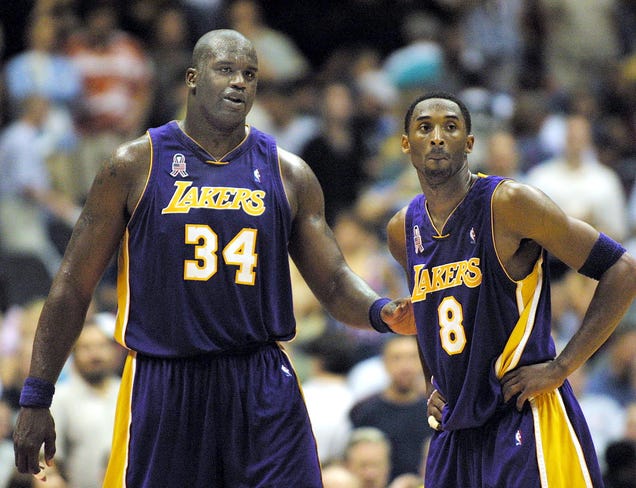
In the Midst of their Fued, Shaquille O'Neal Once Offered a Teammate $10,000 to Beat Kobe Bryant's Ass: 'I Couldn’t Believe It'

For years, the feud between frenemies Kobe Bryant and Shaquille O’Neal dominated headlines, and for those interested in knowing just how nasty that beef was, former teammate Isaiah Rider has the scoop.

Read more...


from The Root https://ift.tt/3ekdCBp